Control Hints
Control Hints
Control Hints

Contextual learning without interrupting play

Overview

Overview

I redesigned how learning happens in-game by replacing text-heavy tutorials with a contextual, data-driven control hints system. The solution delivered guidance at the right moment, improved engagement, and scaled across core player activities.

Role

  • Led the initiative end-to-end

  • Designed the system architecture, interaction, data rules and motion design for cross-platform (PC, console)

  • Influenced in-game product strategy around in-game learning

  • Extended the design system to create a reusable framework across teams

Results

Launched in Oct 2025. Adopted across 20+ gameplay use cases and ~5% decrease in time-to-market.

Beta Playtesting Results

Players dropping off activities…

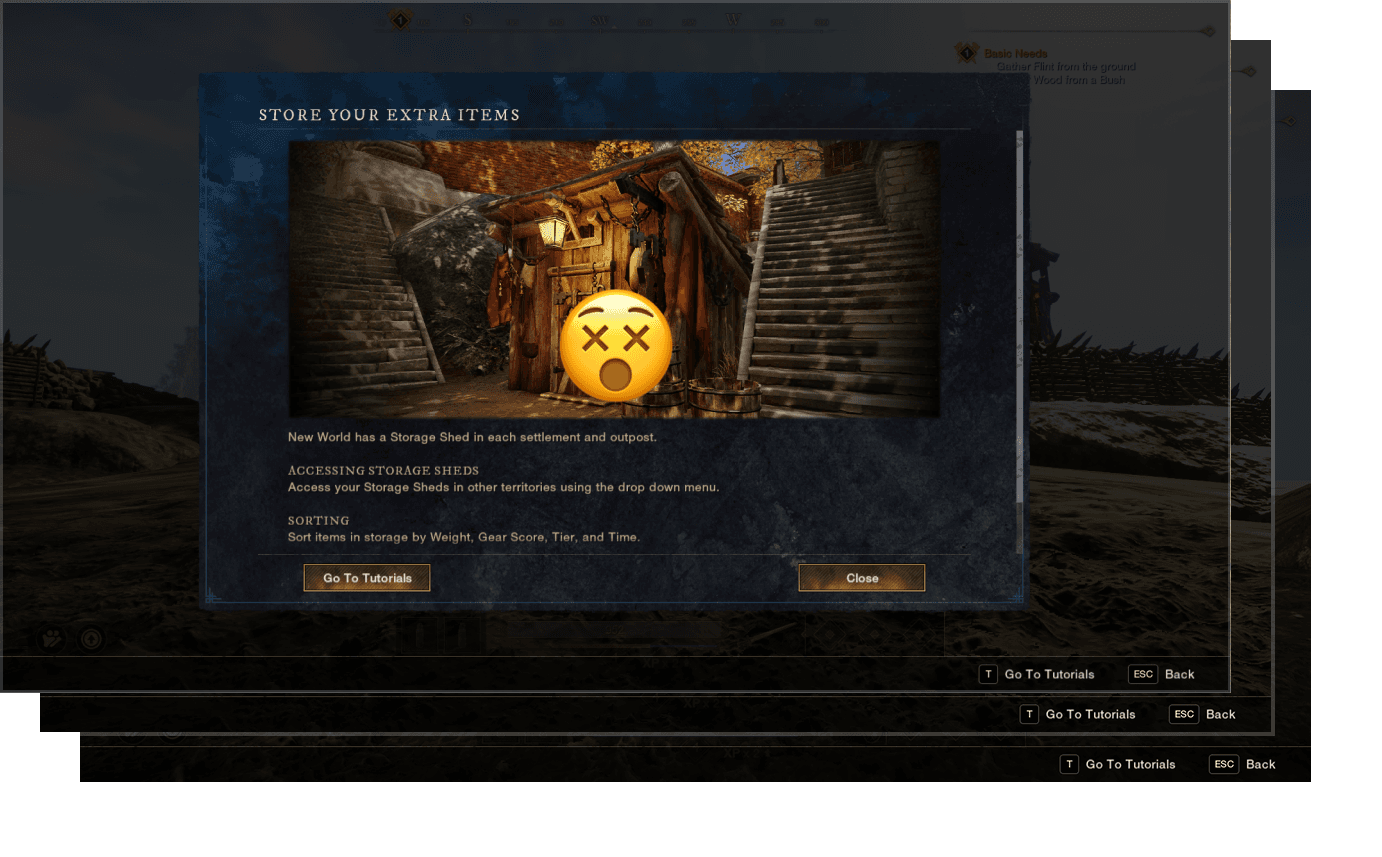
Players often skip long tutorials, miss important controls, and leave activities early. This gradually slows their progress in the game.
Research Insights
Player's Mental Model

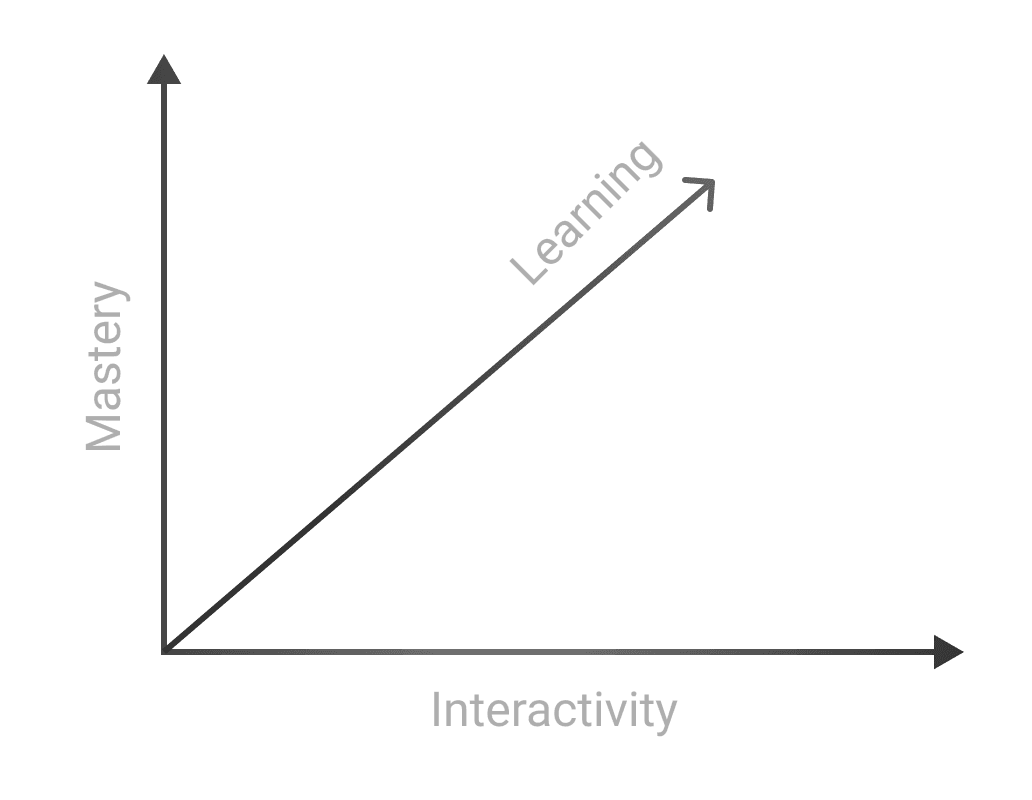
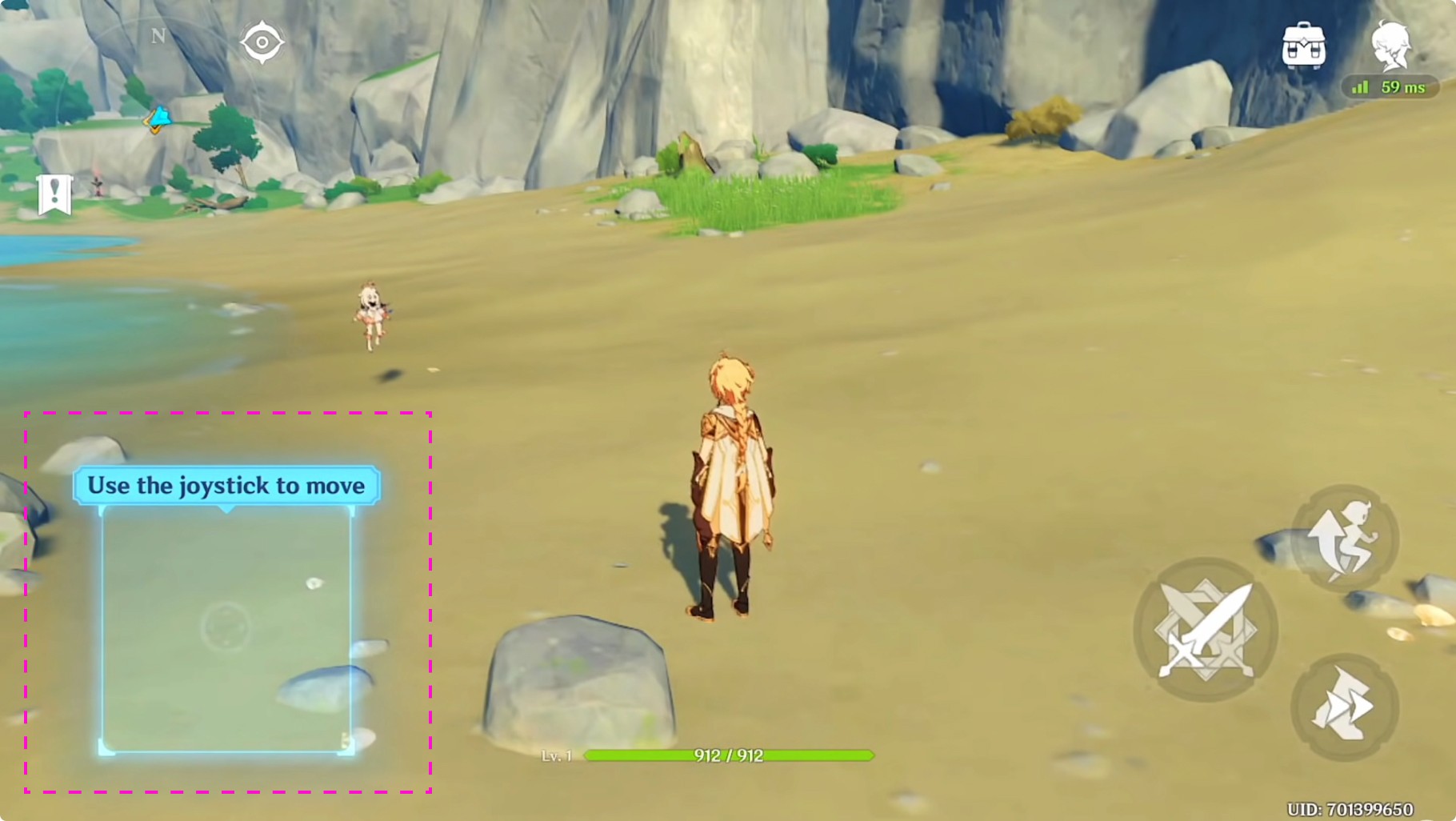
Players prefer learning by doing, not by reading
Genshin Impact Game

Learning patterns in other games

  • Context-point help

  • Web UI guidelines (placement of hints for high & low grade TVs & desktops)

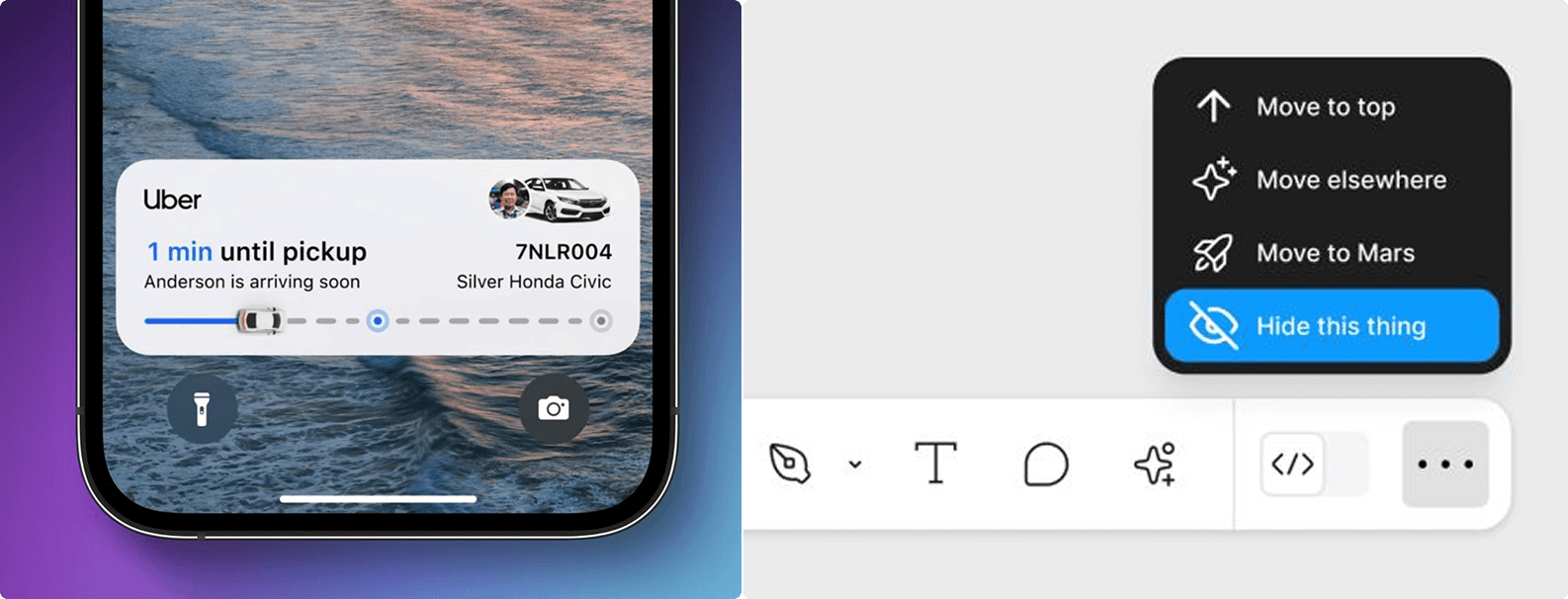
Information Structure in notifications & web widgets

  • Communicate imp. information in very small spaces, with minimal disruption

  • Few, high-confidence actions

Uber iOS notif

Figma toolbar

Idea

Tutorials
Tutorials

Text modals that explain how an activity works with controls before or outside of gameplay

Hints
Hints

Lightweight, contextual cues that surface only the controls a player needs, exactly when they need them

Challenge

Is it worth building 2mo before launch?
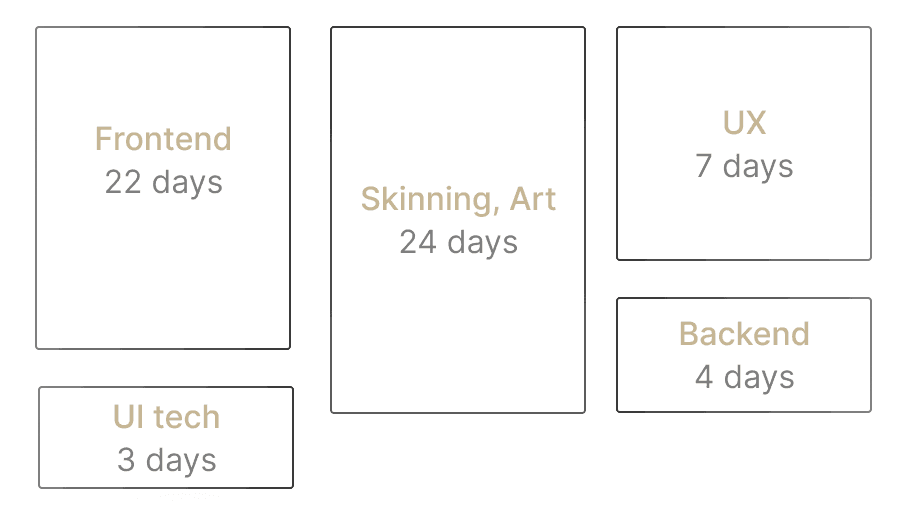
To answer this, I created a feature cost estimate with cross-functional disciplines→

I focused on effort (build once) vs long-term payoff (reuse in 50+ activities)

To answer this, I created a feature cost estimate with cross-functional disciplines

I focused on effort (build once) vs long-term payoff (reuse in 50+ activities)

Iterations

For the sake of low-fidelity prototypes, I used a real activity (use-case) from the game -

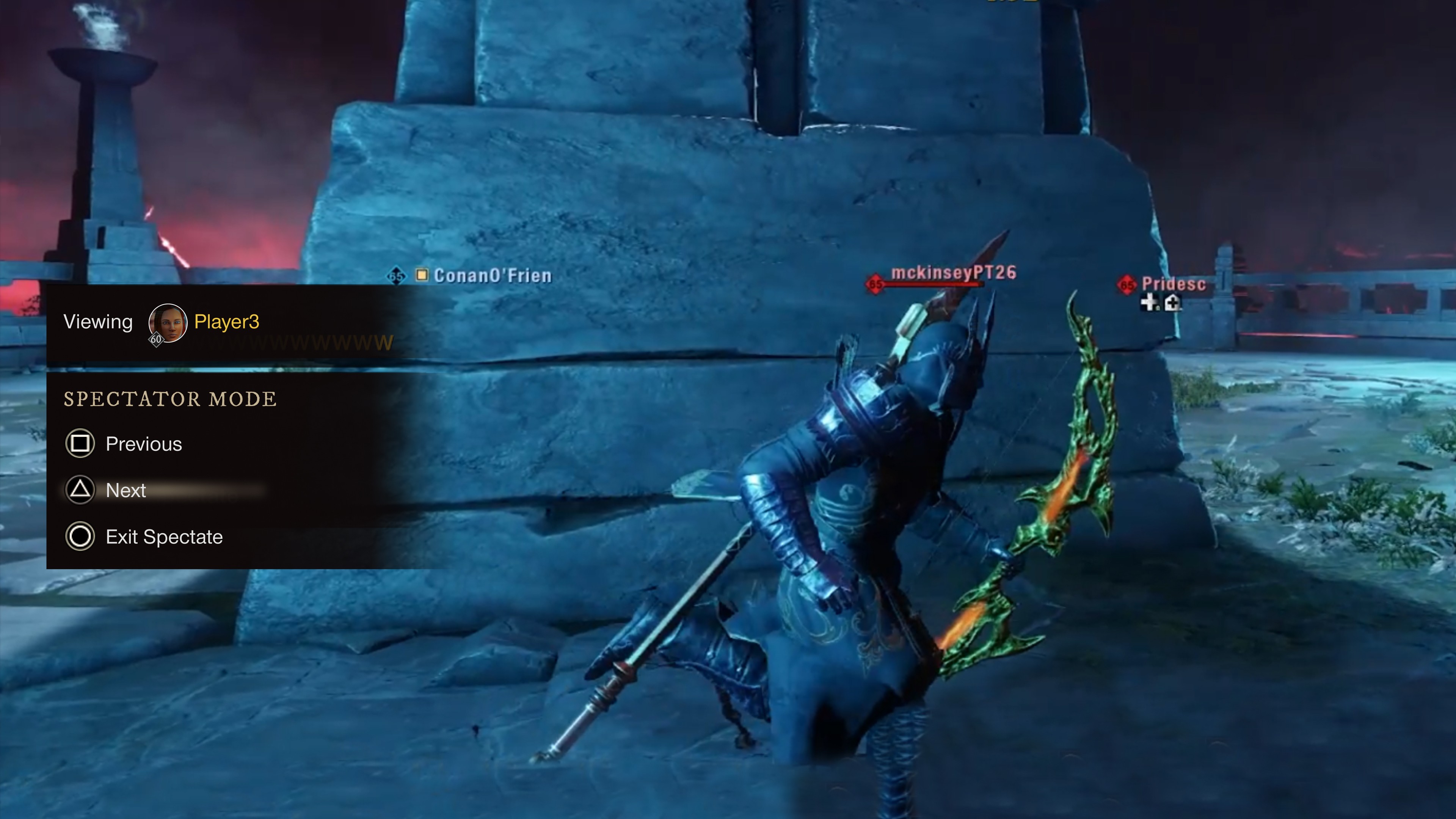
Spectator Mode: Enables players to stay engaged in a match after death, preserving match completion and progression

Iteration #1
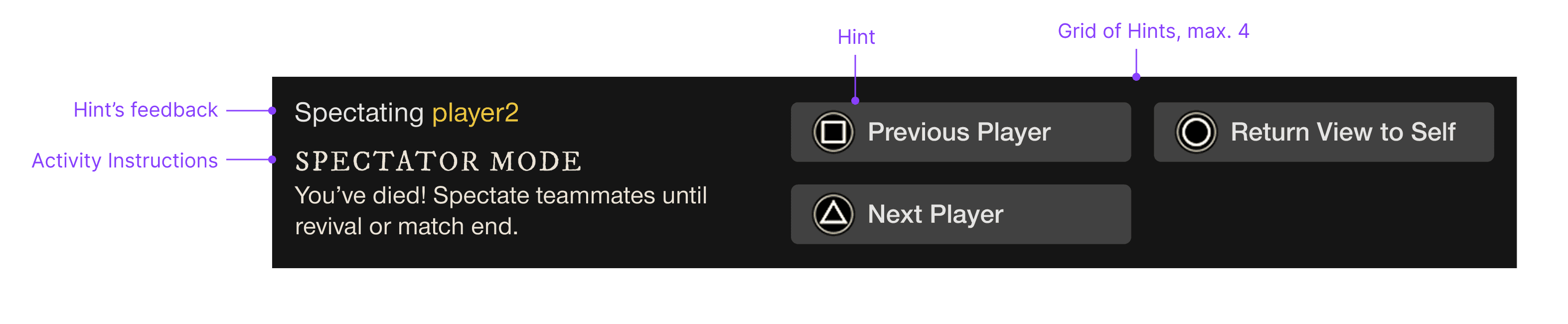
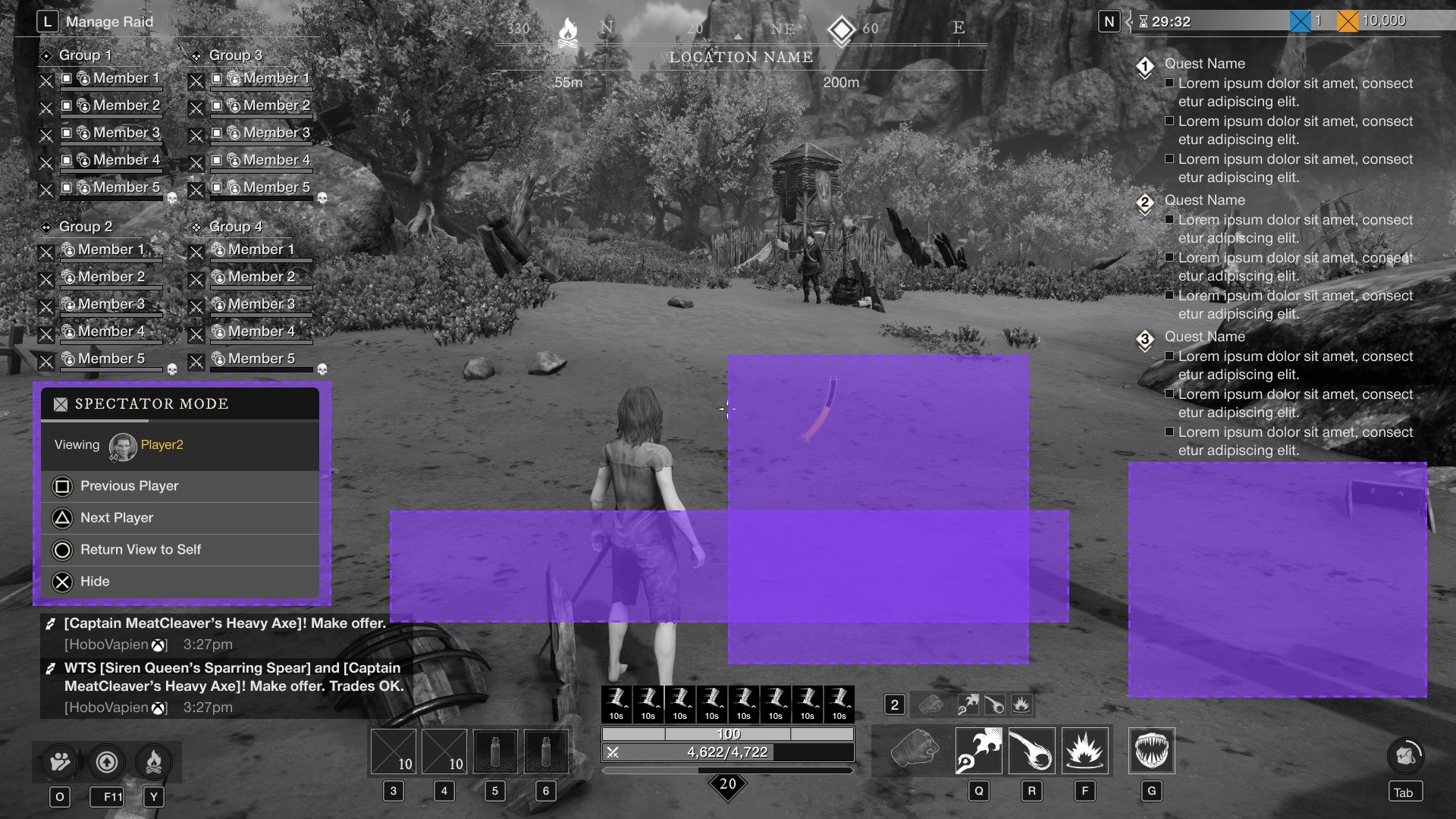
Screen Placement

Clear, in-context guidance

𐄂 Localization risk (long strings, esp. in German)

𐄂 Interrupts gameplay visibility

Iteration #2

Screen Placement

Avoids blocking core gameplay

Easy to scan & follow through

Lists can scale to 20+ activities

𐄂 Player has no motivation to collapse/hide hint

Motion Design

Bounce animation

𐄂 Too playful for our product's intense, immersive experience

Grow-in animation

More on-brand

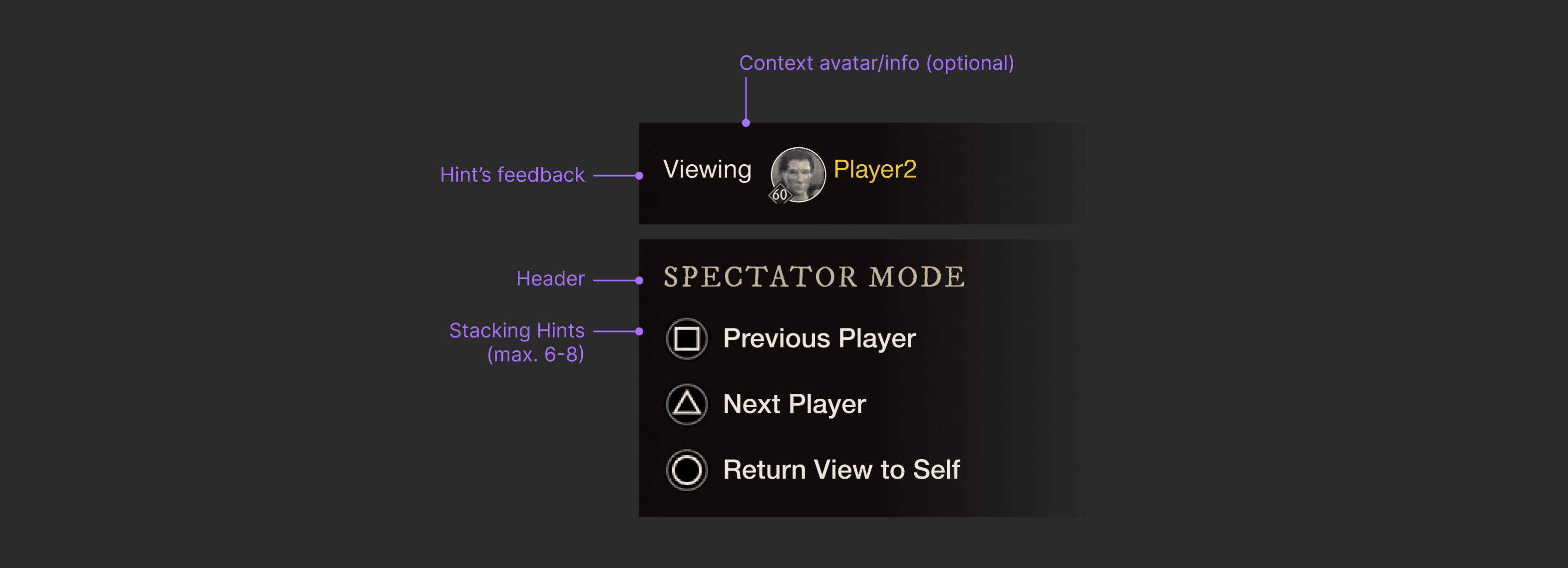
Final Widget

Visual Design

Visual Design

Scaling the system

As the system expanded, I introduced support for 20+ activities or use-cases,

Fishing

Unlock and support cooking progression

Riding

Core mode of mobility and exploration

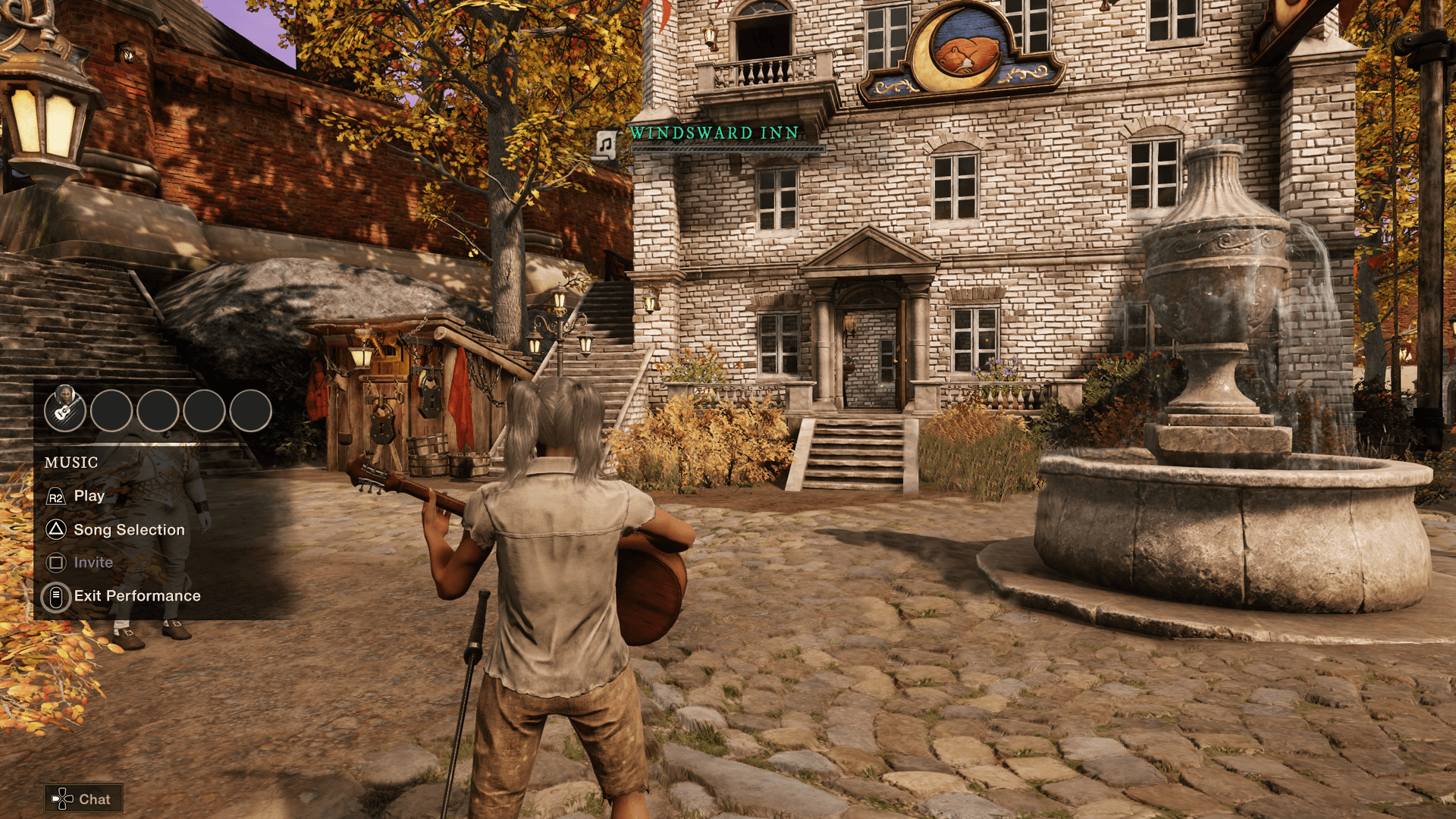
Playing Music

Fosters connection with other players

Let's work together!

I can help designing a product from 0-1, improving a product from 1-10, or create a brand's design system.

Let's work together!

I can help designing a product from 0-1, improving a product from 1-10, or create a brand's design system.

Control Hints
Control Hints

Contextual learning without interrupting play

Overview

Overview

I redesigned how learning happens in-game by replacing text-heavy tutorials with a contextual, data-driven control hints system. The solution delivered guidance at the right moment, improved engagement, and scaled across core player activities.

Role

  • Led the initiative end-to-end

  • Designed the system architecture, interaction, data rules and motion design for cross-platform (PC, console)

  • Influenced in-game product strategy around in-game learning

  • Extended the design system to create a reusable framework across teams

Results

Launched in Oct 2025. Adopted across 20+ gameplay use cases and ~5% decrease in time-to-market.

Beta Playtesting Results

Players dropping off activities…

Players often skip long tutorials, miss important controls, and leave activities early. This gradually slows their progress in the game.

Research Insights

Player's Mental Model

Players prefer learning by doing, not by reading

Genshin Impact Game

Learning patterns in other games

  • Context-point help

  • Web UI guidelines (placement of hints for high & low grade TVs & desktops)

Information Structure in notifications & web widgets

  • Communicate imp. information in very small spaces, with minimal disruption

  • Few, high-confidence actions

Uber iOS notif

Figma toolbar

Idea
Tutorials

Text modals that explain how an activity works with controls before or outside of gameplay

Hints

Lightweight, contextual cues that surface only the controls a player needs, exactly when they need them

Challenge

Is it worth building 2mo before launch?

To answer this, I created a feature cost estimate with cross-functional disciplines→

I focused on effort (build once) vs long-term payoff (reuse in 50+ activities)

Iterations

For the sake of low-fidelity prototypes, I used a real activity (use-case) from the game -

Spectator Mode: Enables players to stay engaged in a match after death, preserving match completion and progression

Iteration #1
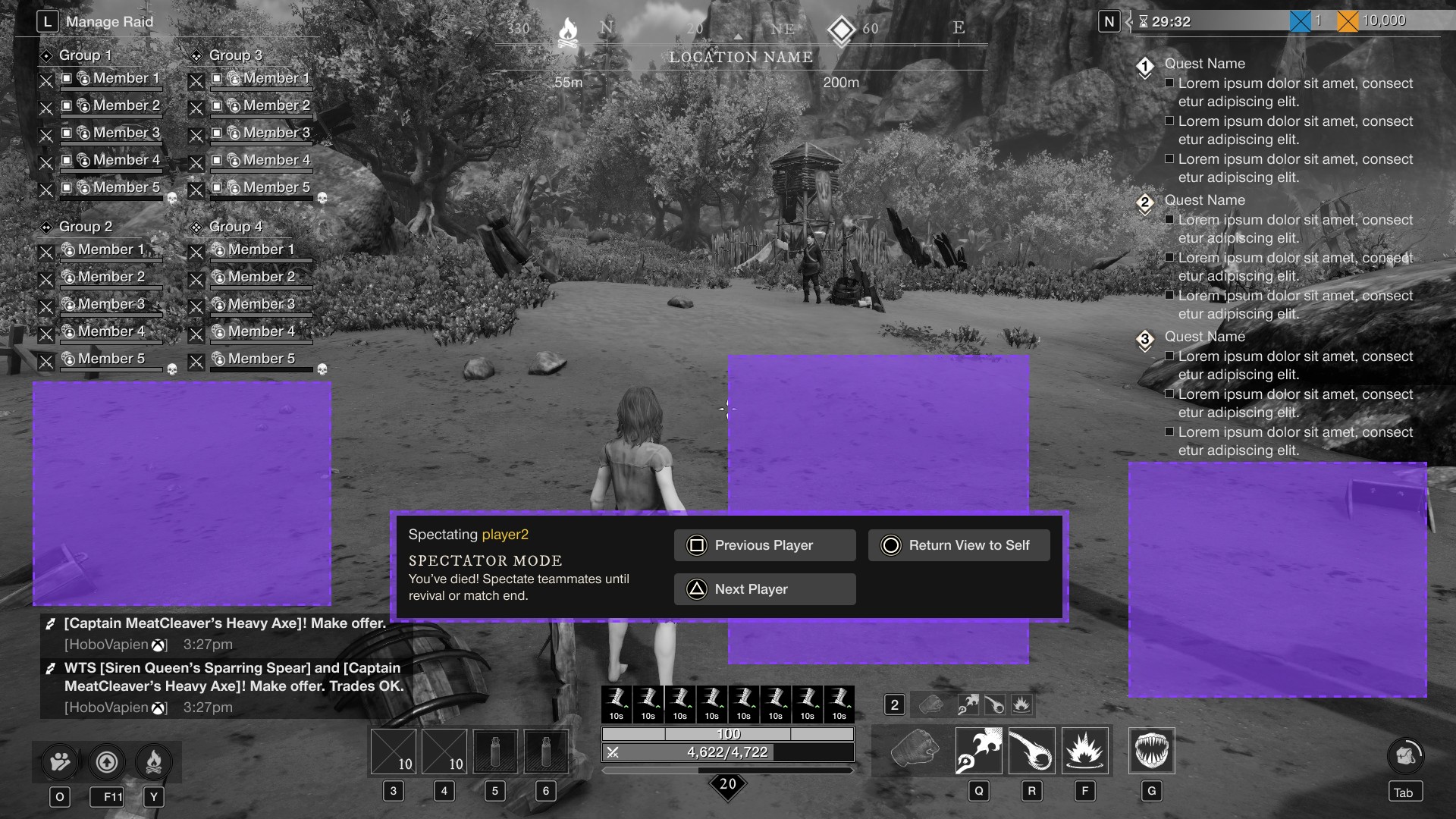
Screen Placement

Clear, in-context guidance

𐄂 Localization risk (long strings, esp. in German)

𐄂 Interrupts gameplay visibility

Iteration #2
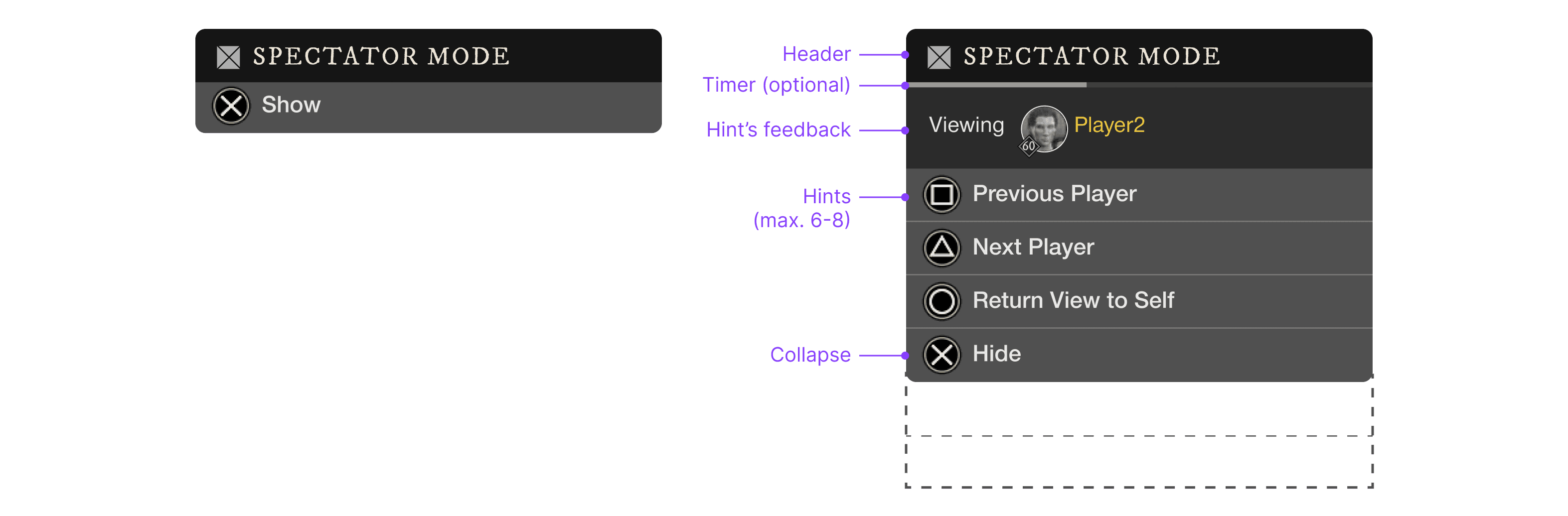
Screen Placement

Avoids blocking core gameplay

Easy to scan & follow through

Lists can scale to 20+ activities

𐄂 Player has no motivation to collapse/hide hint

Motion Design

Bounce animation

𐄂 Too playful for our product's intense, immersive experience

Grow-in animation

More on-brand

Final Widget

Visual Design

Scaling the system

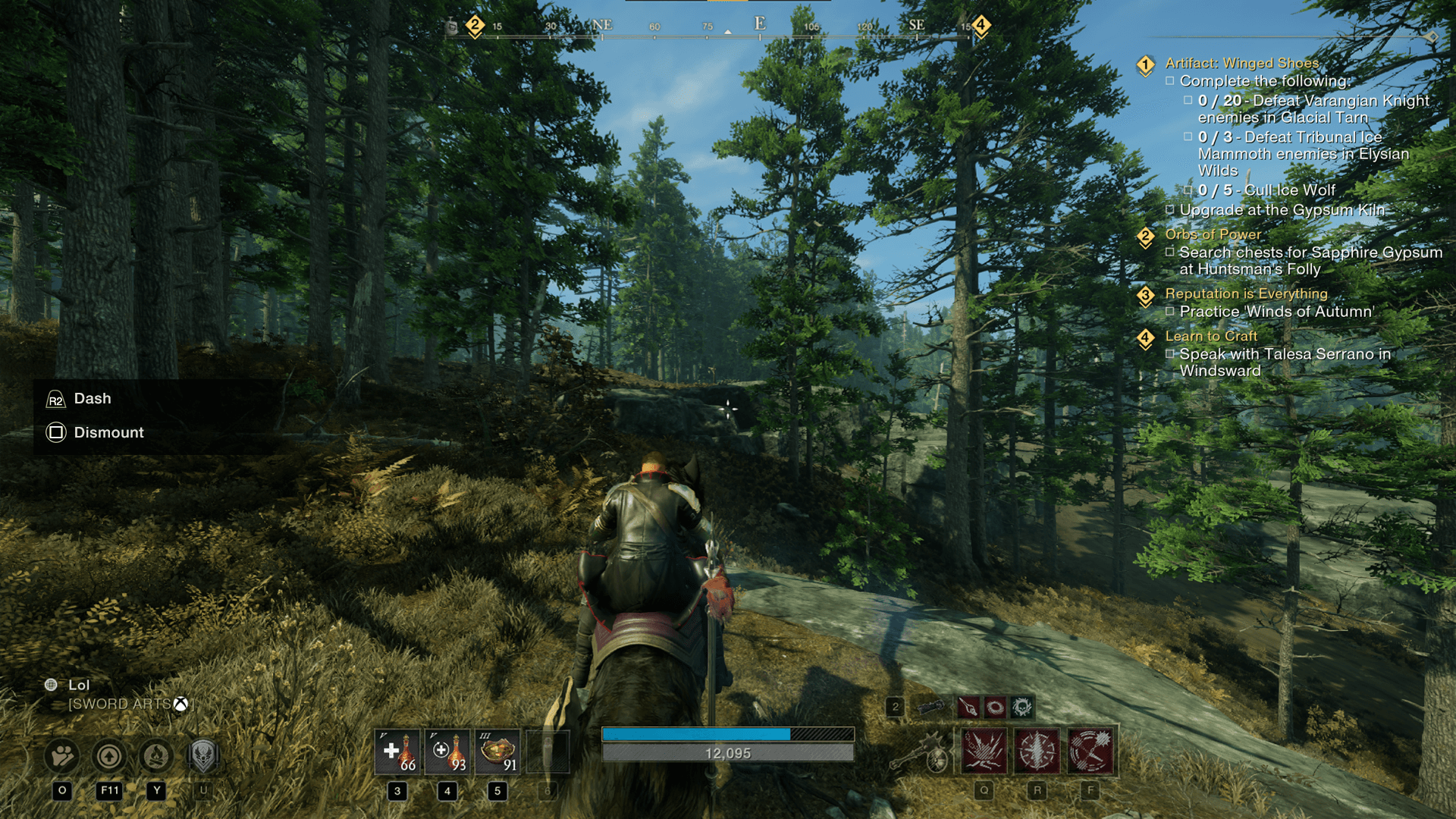
As the system expanded, I introduced support for 20+ activities or use-cases,

Fishing

Unlock and support cooking progression

Riding

Core mode of mobility and exploration
Playing Music

Fosters connection with other players
Let's work together!

I can help designing a product from 0-1, improving a product from 1-10, or create a brand's design system.